
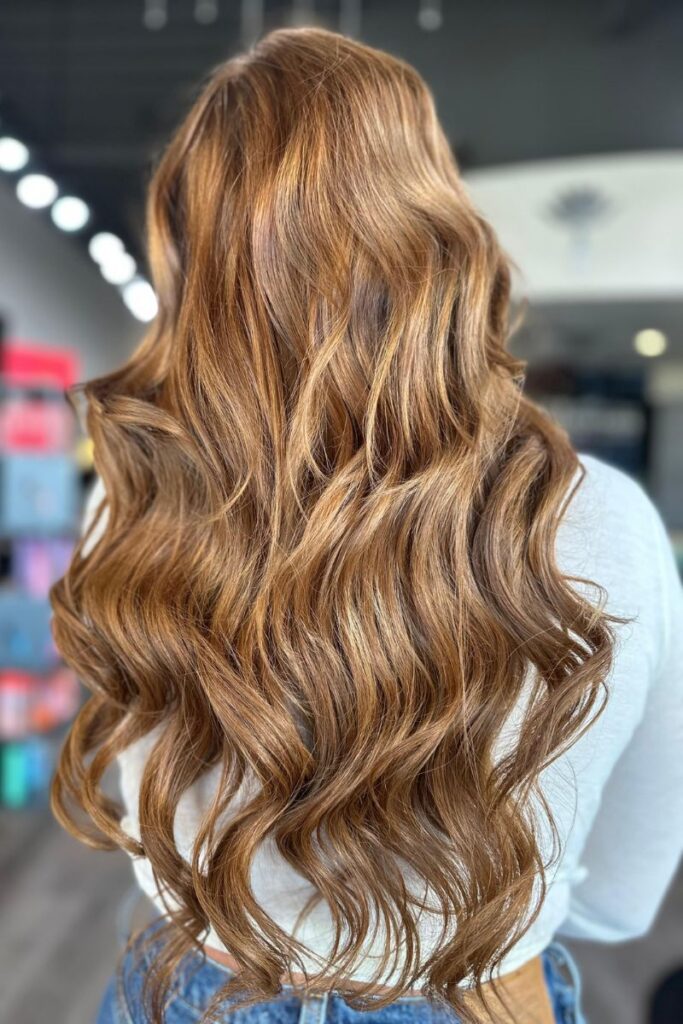
"How long will they last?" is one of the first questions we hear in every extension consultation, and it's an important one. Extensions are an investment, and knowing what to expect helps you budget, plan your appointments, and choose the right method.
There are really two answers. The first is how long each installation lasts before it needs maintenance, which depends on the method. The second is how long the extension hair itself lasts before it needs to be replaced, which depends mostly on quality and care.
How Long Each Method Lasts Between Appointments
As your natural hair grows, the extensions grow down with it. Maintenance appointments bring them back up to the root, where they sit comfortably and blend properly. Here's what we typically see for each method our team offers.
| Method | Time between maintenance | Can the hair be reused? |
|---|---|---|
| Tape-ins | 6 to 8 weeks | Yes, usually several times |
| Wefts | 6 to 10 weeks | Yes |
| K-tips | 3 to 5 months | No |
These are general ranges. How fast your hair grows, how much it sheds, your routine, and our South Florida climate all shift the timing.
Tape-ins are removed, cleaned, re-taped, and reapplied at each appointment. Because the hair is reused, a single set can last many months.
Wefts are professionally adjusted or removed and reinstalled closer to the roots as your natural hair grows. The same weft hair can often be reused for several maintenance appointments.
K-tips typically stay in place for several months without move-up appointments. Once it's time for removal, the bonds are professionally dissolved or broken down using the appropriate removal method. Many K-tip systems require new extension hair for the next installation and cannot be reused.
How Long the Extension Hair Itself Lasts
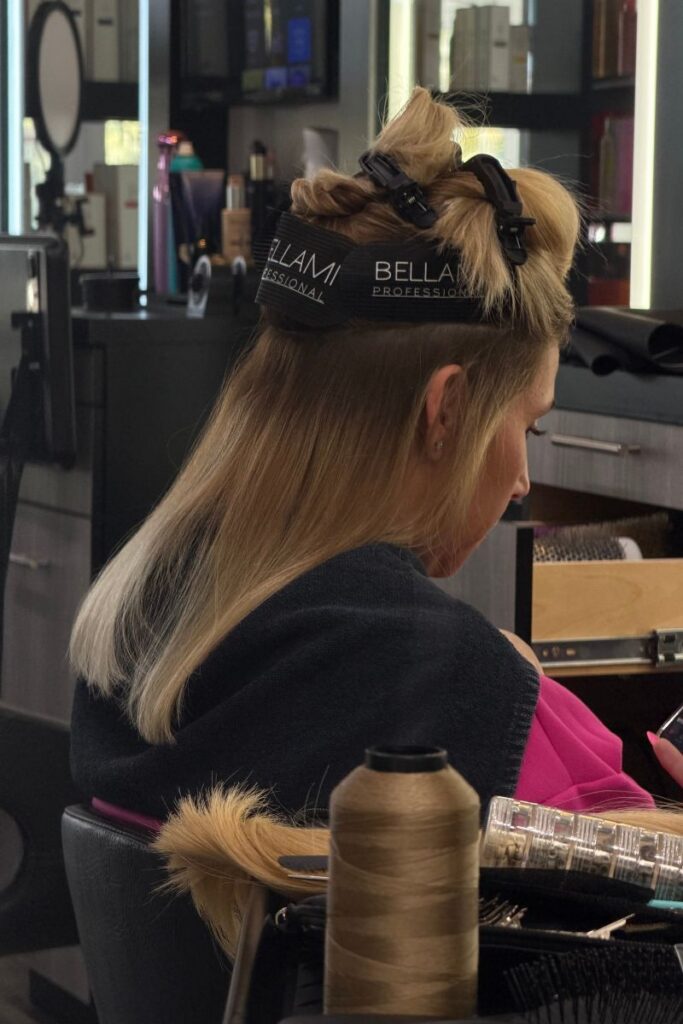
With quality human hair and good care, most reusable extension hair lasts about six months to a year, and sometimes longer. Like your own hair, it gradually loses moisture and smoothness over time. Unlike your own hair, it doesn't get natural oils from your scalp, so it depends entirely on your routine.
You'll know it's time to replace your extension hair when it tangles easily even after brushing, feels dry or rough no matter what you use, has thin or split ends, or no longer blends with your natural hair.
Why Maintenance Appointments Matter
It's tempting to stretch the time between appointments, but this is where most extension problems start. As your natural hair grows, the attachments sit farther from the scalp, which can increase pulling, tangling, and stress on your natural hair.
Regular maintenance keeps the weight where it belongs, lets us check the health of your hair and scalp, and prevents the kind of stress that can lead to breakage or thinning. Our post on traction alopecia explains why consistent tension on the hairline and scalp is worth taking seriously.
What Shortens the Life of Extensions
A few habits wear extensions out faster than anything else:
- Heat styling without protection. Extension hair can't repair itself, so heat damage builds up. Use a heat protectant and keep tools at a moderate temperature.
- Chlorine, salt water, and sun. All three dry out extension hair. Rinse right after the pool or beach and use a leave-in conditioner.
- Oils and heavy products at the roots. These can break down tape and glue bonds. Keep conditioner and oils on the mid-lengths and ends.
- Sleeping on wet or loose hair. Always dry your extensions fully, and sleep with them in a loose braid or low ponytail on a silk pillowcase.
- Skipping appointments. Waiting too long between maintenance leads to tangling at the root and extra strain on your natural hair.
A Note on South Florida Humidity
Heat, humidity, and sweat are part of daily life here, and they affect extensions. Humidity can make extension hair frizz and tangle faster, and sweat and scalp oils can gradually weaken adhesive-based methods like tape-ins and glue-ins. Clients who are very active or spend a lot of time outdoors may need maintenance on the shorter end of each range.
A lightweight, humidity-friendly routine helps. Professional lines like Amika, Oribe, and Kérastase offer sulfate-free cleansers, leave-ins, and heat protectants that work well with extensions. We also cover this in our guide to protecting your hair from humidity in South Florida.
Frequently Asked Questions
Which type of hair extension lasts the longest?
K-tip extensions typically offer the longest wear from a single installation, often lasting several months without move-up appointments. Tape-ins and wefts require more frequent maintenance, but their hair can usually be reused. The best value depends on the method, hair quality, installation costs, and your lifestyle.
Can I go longer than eight weeks between appointments?
Sometimes, depending on the method and how fast your hair grows, but it's not something we recommend without checking with your stylist. Waiting too long adds tension and tangling at the root.
Should I take a break from extensions?
Many clients wear extensions continuously with regular maintenance and healthy natural hair. If we notice thinning, breakage, or scalp irritation, we may recommend a short break.
Can I remove my extensions at home?
We don't recommend it. Every method needs the right products and technique to remove safely. Removing them yourself is one of the most common causes of breakage.
Our team offers several professional extension methods, including tape-ins, hand-tied wefts, and K-tips. We'll help you choose the right one and create a maintenance plan that supports both your extensions and your natural hair. See all of our salon services.
Book an extension consultation
Call us at 954-362-4027
Text us at 754-226-9934
See the installation process and final result, and follow @hairculturedayspa for more hair transformations, styling inspiration, and behind-the-scenes moments from our South Florida salon.