
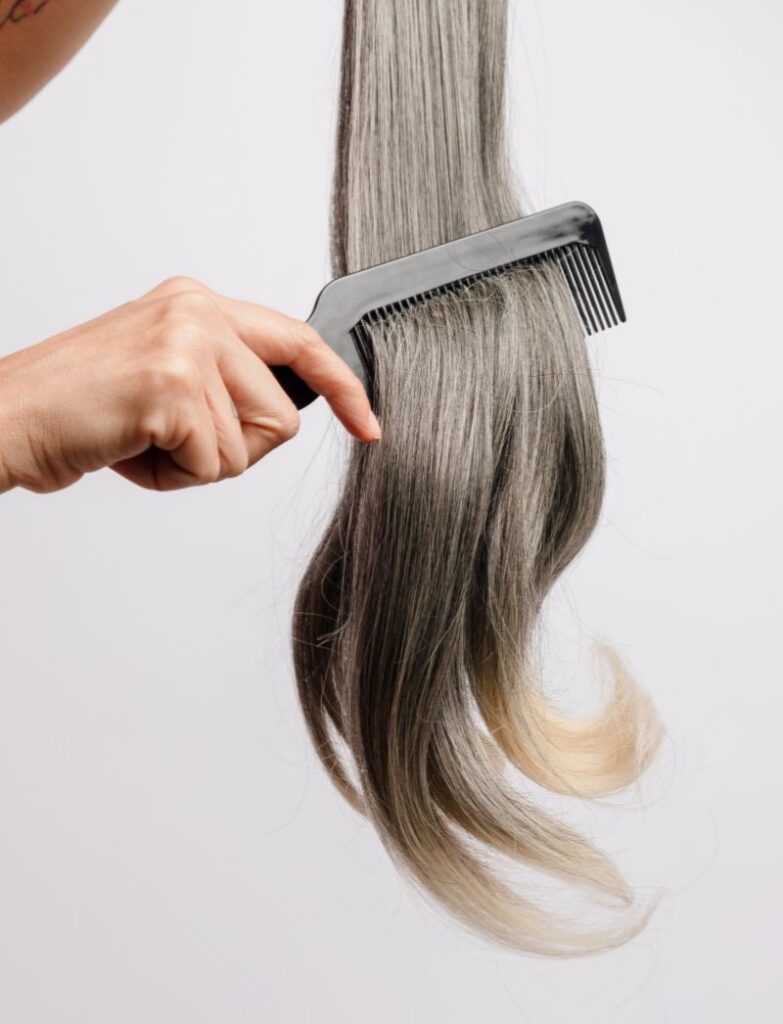
If you're considering extensions, you've probably narrowed your options to two of the most popular professional methods: wefts and tape-ins. Both can give you beautiful length and volume, both use real human hair, and both require regular maintenance. But they attach differently, suit different hair types, and feel different day to day.
With the holidays coming up, this is also the time of year when many clients start planning extensions for family photos, parties, and New Year's events. Our team offers every major method, including sew-ins and glue-ins, but wefts and tape-ins are the two clients ask us to compare most. Here's what we walk every client through during an extension consultation.
How Tape-In Extensions Work
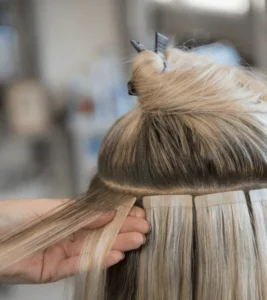
Tape-ins are thin panels of hair, usually about an inch or two wide, with a strip of medical-grade adhesive at the top. Your stylist takes a very thin slice of your natural hair and sandwiches it between two tape panels, close to the root.
Because the panels are thin and lie flat against the head, tape-ins are lightweight and very discreet. Application is relatively quick, often an hour or two for a full head.
As your hair grows, the tapes move down with it. Every six to eight weeks, they're removed with a special solvent, cleaned, re-taped, and reapplied at the root. With good care, quality tape-in hair can usually be reused for several rounds.
How Weft Extensions Work
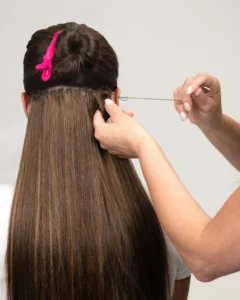
Wefts are long, continuous strips of hair sewn together at the top. The most common professional methods attach them to a row of small beads or a thin braid placed along your natural hair, then sew the weft to that foundation. Hand-tied wefts are especially thin and flexible, while machine-sewn wefts are a little thicker and sturdier.
Because each weft is a continuous row, this method adds a lot of hair in fewer rows. That makes it ideal for adding significant volume and fullness.
Wefts are typically moved up every six to ten weeks, when the beads or braid are loosened, slid back up to the root, and re-secured. Application takes longer than tape-ins, but it involves no adhesive.
Comparing the Two
Hair type.Tape-ins are often a good choice for fine hair because they lie flat and distribute weight across multiple attachment points. With proper placement and enough natural hair to conceal them, they can look very discreet. Wefts are usually best for medium to thick hair that can support a row of beads or a braid without showing, and they're excellent for clients who want a lot of added volume.
Comfort and feel. Tape-ins feel very light, though some clients notice the panels when they run their hands through their hair. Wefts can feel slightly tighter for the first few days after installation as your scalp adjusts, then settle in.
Styling. Both allow for loose, down styles. Tape-ins can show at the hairline in very high ponytails. Wefts placed well can handle a wider range of updos, depending on placement.
Maintenance. Tape-ins generally need attention every six to eight weeks. Wefts can often go a little longer. With both, skipping move-up appointments puts extra strain on your natural hair.
Aftercare. Tape-ins require you to keep oils, heavy conditioners, and silicone-rich products away from the roots, since these break down the adhesive. Wefts are less sensitive to product but need gentle brushing and care around the attachment row.
A Note on South Florida Heat and Humidity
Our climate is a real factor with extensions. Sweat, humidity, and scalp oils can gradually weaken tape adhesive, so clients who work out often, spend a lot of time outdoors, or have an oily scalp may find tapes slip sooner. Keeping roots clean and dry, and avoiding conditioner at the scalp, helps a lot.
Wefts don't rely on adhesive, which is one reason active clients sometimes prefer them. Either way, chlorine, salt water, and sun can dry out extension hair, so rinsing after swimming and using a leave-in protectant goes a long way.
Protecting Your Natural Hair
Healthy extensions should never cause pain, headaches, or visible tension at the scalp. Whatever method you choose, correct placement, the right amount of hair for your density, and regular maintenance are what protect your natural hair. Our post on traction alopecia explains what to watch for and why too much weight or tension can cause problems over time.
Keeping your scalp healthy underneath your extensions matters too. Gentle cleansing at the roots and a nourishing routine support your natural hair throughout the process. Color-safe, lightweight lines like amika and Oribe work well for extension care.
Which One Should You Choose?
If your hair is fine or thin and you want natural length with a discreet, lightweight feel, tape-ins are usually the best starting point. If your hair is medium to thick, you want significant volume, or you're very active, wefts are often the better fit.
The most reliable way to decide is a consultation. We'll look at your hair density, texture, scalp health, and lifestyle, and color-match the extension hair to your own, including balayage or highlights, so the blend looks seamless.
Frequently Asked Questions
Which is less damaging, tape-in or weft extensions?
Neither method is automatically more damaging than the other. The risk depends on proper installation, the weight of the extensions, your natural hair's condition, and regular maintenance. Too much tension, skipped appointments, or improper removal can lead to breakage and hair loss.
Can I reuse tape-in extensions?
Yes. Quality human hair tape-ins can usually be removed, re-taped, and reapplied several times, depending on how well the hair is cared for.
Are tape-in or weft extensions better for thin hair?
Tape-ins are often better suited for fine hair because their flat, lightweight panels can be easier to conceal. Wefts may work better for medium to thick hair that can support the attachment rows. However, very thin or fragile hair may need a different approach. A consultation helps determine the safest and most natural-looking option.
Can I wear my hair in a ponytail with tape-in or weft extensions?
Yes! Both methods can work with ponytails and updos, but placement matters. Tape-in panels may be more visible in high ponytails, while strategically placed wefts can offer more styling flexibility. Let your stylist know how you usually wear your hair so your extensions can be placed accordingly.
How far in advance should I book extensions for the holidays?
Book your consultation at least three to four weeks before your event. Extension hair often needs to be ordered and color-matched, and a little time before your event lets you get comfortable styling and caring for them.
Can I swim with extensions?
Yes, but take precautions. Braid or tie back your hair, rinse with clean water right after, and use a leave-in conditioner. Chlorine and salt water dry out extension hair faster than natural hair, since it isn't nourished by your scalp.
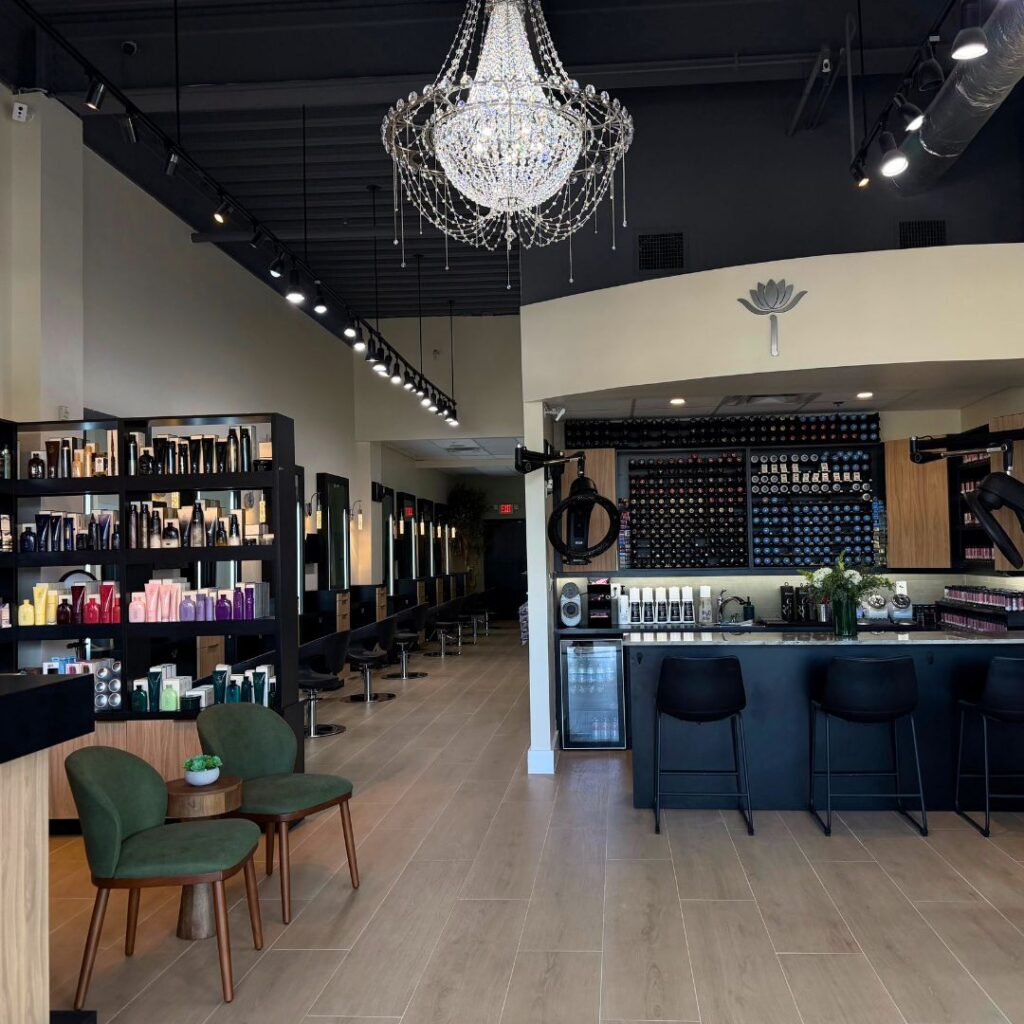
Planning extensions for the holidays? At Hair Culture Day Spa in Pembroke Pines, our stylists will help you choose the method that suits your hair and lifestyle, and color-match everything for a seamless blend. See all of our salon services.
Book an extension consultation
Call us at 954-362-4027
Text us at 754-226-9934