
A sleek high ponytail, a slicked-back bun, tight braids, or heavy extensions: these are some of the most popular styles right now, and also some of the most common causes of a preventable type of hair loss called traction alopecia. If caught early, it's very manageable. Caught late, it can become permanent. Here's what to actually watch for.
What Traction Alopecia Actually Is
Traction alopecia is hair loss caused by repeated, sustained pulling on the hair follicle. It's caused by repeated mechanical tension rather than genetics or hormones, which is exactly why it's largely preventable.
Common causes include:
- Tight ponytails, buns, and topknots
- Tightly braided styles, cornrows, and weaves
- Heavy hair extensions, especially when they add significant weight to natural hair
- Tight headwear, including certain hats, helmets, and headbands worn regularly
- Tension on chemically relaxed or heat-damaged hair, which may already be more fragile
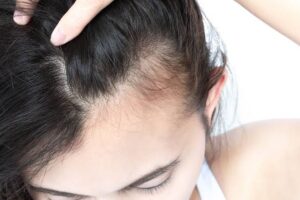
It typically shows up first along the hairline, temples, and nape, wherever the tension is greatest and most consistent.
Early Warning Signs
Catching traction alopecia early is what makes it reversible, so it's worth knowing what to actually look for:
- Redness or tenderness along the hairline or wherever your style pulls tightest
- Small bumps in the affected areas
- A widening, "see-through" strip near the temples or part, where hair looks noticeably thinner
- Short, broken hairs near the hairline that look uneven rather than like new growth coming in
- A hairstyle that hurts. Dermatologists use this as a simple rule of thumb: if it's painful, it's too tight, full stop
Why Early Detection Matters So Much
In its early stages, traction alopecia is usually reversible simply by reducing tension and giving the scalp a break. If the pulling continues for too long, though, the hair follicles can become permanently damaged, and hair in that area may not grow back. This is the single biggest reason it's worth paying attention now rather than waiting until it's more obvious.
How to Protect Your Hairline
Rotate your styles. Wearing the same tight style day after day is what causes the real damage. Alternating with looser styles gives follicles a chance to recover between tighter ones.
Loosen up where you can. A low, loose ponytail or a softer braid still gives you the look you want with meaningfully less tension than a tight, high, "snatched" version.
Be thoughtful with extensions. Lightweight extensions installed properly by a professional put far less strain on natural hair than heavy or improperly applied ones. If a style feels unusually heavy the moment it's finished, that's worth mentioning to your stylist.
Give your scalp regular breaks. Especially if you wear extensions, braids, or tight protective styles regularly, building in stretches of looser styling supports long-term hairline health.
Keep the scalp underneath healthy. A well-hydrated, well-cared-for scalp has more resilience against the stress of styling than one that's already dry, irritated, or inflamed.
When to See a Professional
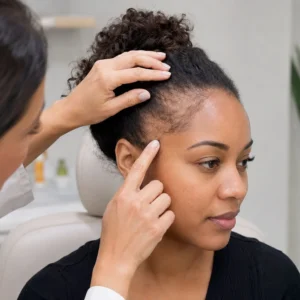
If you're noticing any of the early warning signs, your stylist can help identify areas of styling tension and adjust your approach. If you're experiencing noticeable thinning or hair loss, a dermatologist can evaluate what's actually happening and determine the cause.
Frequently Asked Questions
Can traction alopecia be reversed?
Yes, especially when it's caught early. Reducing tension and switching to looser styles is often enough to allow the hair to recover. If tension continues long-term, though, the damage can become permanent.
Are extensions always risky for traction alopecia?
Not inherently. The risk comes from excessive weight, improper installation, or leaving them in too long without a break. Lightweight extensions applied by a professional, with regular maintenance and rest periods, are a much lower-risk approach.
How do I know if it's traction alopecia or just normal shedding?
Traction alopecia tends to be localized to areas of consistent tension, like the hairline or temples, rather than spread evenly across the scalp. If thinning is concentrated in one specific area that matches where your hairstyle pulls, that's a strong signal worth having evaluated.
Hair Culture Day Spa
Hair Culture Day Spa is a luxury salon and head spa in Pembroke Pines, Florida, serving clients throughout Broward County, including Weston, Davie, Miramar, and Southwest Ranches.
Whether you're considering extensions, a protective style, or just want a second opinion on how your current routine is treating your hairline, our team is happy to take a look.
Call us at 954-362-4027 Text us at 754-226-9934