
After a South Florida summer, many of our blonde clients notice the same thing: the bright, cool blonde they left the salon with has shifted toward yellow, gold, or even orange. That warm, brassy cast is one of the most common color complaints we hear this time of year, and the good news is that it's very fixable.
Understanding why it happens makes it much easier to prevent.
What Brassiness Actually Is
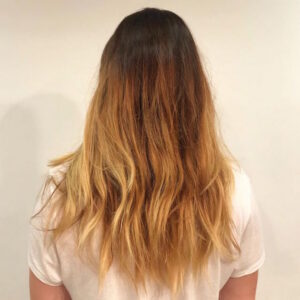
Every shade of hair contains natural warm pigment. When hair is lightened, the lightener breaks down the darker pigment first, revealing warmer tones underneath. Darker hair passes through red and orange as it lightens, while lighter hair passes through gold and yellow.
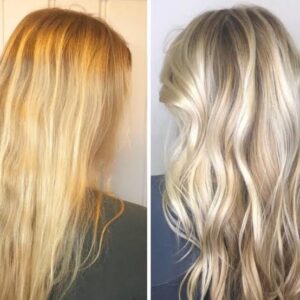
To get from that raw, lifted stage to the blonde you actually want, your colorist applies a toner or gloss. Toner deposits sheer, cool-toned pigment that neutralizes the unwanted warmth: violet cancels yellow, and blue cancels orange.
Here's the key: toner is not permanent. It gradually washes out, and as it fades, the warm undertones from lightening show through again. That's brassiness. It isn't your blonde "going bad." It's the underlying warmth coming back into view.
What Makes Blonde Turn Brassy Faster
Toner fades for everyone, but several factors speed it up considerably, and most of them are part of daily life here.
Sun exposure. UV exposure can damage hair and cause color to fade or shift over time. Blonde and lightened hair are especially vulnerable, making unwanted warmth more noticeable.
Chlorine and salt water. Frequent swimming can dry out and stress color-treated hair, making it harder to maintain a smooth, vibrant finish. Chlorine exposure can also contribute to changes in how blonde hair looks.
Minerals in your water. Much of Southeast Florida has hard water, and minerals like calcium, magnesium, and iron can build up on lightened hair and give it a dull, brassy, or even orange tint. Our post on hard water and your hair explains this in detail.
Heat styling. High heat from flat irons and curling irons fades toner and can warm up lightened hair.
Frequent washing and harsh shampoos. Every wash removes a little toner. Sulfate-heavy shampoos remove it faster.
For a broader look at why every color fades faster in our climate, see why hair color fades faster in South Florida.
How to Fix Brassy Blonde
A professional gloss or toner. This is the fastest and most reliable fix. A gloss refreshes your tone, adds shine, and can be customized to exactly the blonde you want. Depending on your blonde shade, hair condition, and lifestyle, a gloss every four to six weeks can help keep your tone looking fresh between lightening appointments
Purple or blue shampoo at home. These shampoos deposit a small amount of pigment to neutralize warmth between visits. Use purple if your blonde is turning yellow, and blue if it's turning orange, which is common with darker blonde and brunette balayage. Amika, Oribe, and Kérastase all make professional toning shampoos.
Use toning products the right way. More isn't better. Using purple shampoo every wash can leave blonde looking dull, gray, or faintly violet. Many clients start with a toning shampoo once a week, adjusting the frequency based on their hair's needs and the product instructions. Alternate with a gentle, color-safe shampoo.
A clarifying or mineral treatment. If mineral buildup is part of the problem, toning alone won't fully fix it. A professional clarifying or chelating treatment can help remove product residue or mineral buildup, depending on what's causing the discoloration. Your stylist can determine which approach your hair needs.
How to Keep Your Blonde Bright
Prevention does most of the work:
- Wash less often and use a sulfate-free, color-safe shampoo.
- Protect your hair from the sun with a hat or a UV-protective hair product when you're outside for long stretches.
- Wet and condition your hair before swimming, so it absorbs less chlorine or salt water, then rinse right after.
- Use a heat protectant and moderate temperatures when styling.
- Consider a shower filter if you're in an area with hard water.
- Keep your hair strong. Lightened hair is more porous and loses tone faster when it's damaged. Bond-building treatments like Olaplex and a regular mask help your hair hold color longer.
Frequently Asked Questions
Why does my blonde turn orange instead of yellow?
Orange usually means the hair wasn't lifted as light, which is common with darker natural bases. It can also come from mineral buildup. Blue-toned products neutralize orange, and a professional gloss corrects it most effectively.
How often should I tone my blonde hair?
Most blonde clients in South Florida benefit from a gloss every four to six weeks. If you swim often or spend a lot of time outdoors, you may need it on the shorter end of that range.
Can purple shampoo damage my hair?
Purple shampoo doesn't bleach or chemically lighten your hair, but overusing certain formulas can leave it feeling dry or make blonde look dull or slightly violet. Follow the product instructions and alternate with a gentle, hydrating shampoo and conditioner.
Is it possible to prevent brassiness completely?
Not completely, since all toner fades eventually. With a good at-home routine and regular glosses, you can keep brassiness to a minimum and your blonde looking bright.
If your blonde is looking warmer than you'd like, a professional gloss or toning treatment may be just what you need to bring back the shade you love.
At Hair Culture Day Spa in Pembroke Pines, FL, our experienced colorists can help refresh your blonde and keep it looking its best.
Learn more about our balayage and highlight services.
Book your gloss or color appointment
Call us at 954-362-4027
Text us at 754-226-9934