
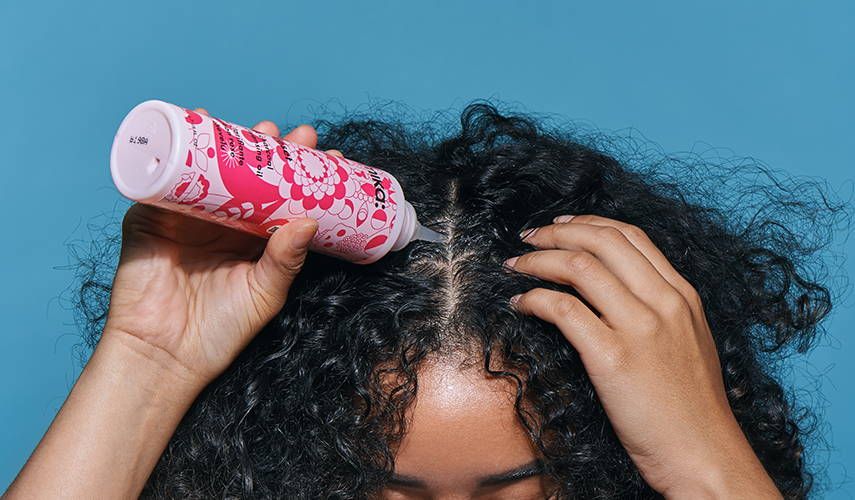
If you've ever finished a workout, spent a hot South Florida afternoon outside, or gotten through a stressful day and noticed your scalp feeling itchy, tight, or oily by evening, you're not imagining it. Your scalp sweats just like the rest of your skin, and what happens to that sweat afterward can have a real impact on how healthy your scalp and hair look and feel.
At Hair Culture Day Spa, scalp wellness is at the center of everything we do. Our Head Spa treatments and scalp analyses are built around one core belief: healthy hair starts at the root, and the scalp is skin that deserves the same attention you'd give your face.
So, is sweat bad for your scalp? Not necessarily. Here's what our specialists want you to know about sweat and scalp health, plus how to protect your scalp at home between visits.
Why Your Scalp Sweats in the First Place
Your scalp is covered in eccrine sweat glands, the same type found across most of your body, which help regulate your temperature. When you exercise, spend time outdoors in the Florida heat, or feel stressed, those glands activate and release a fluid that's mostly water with a small amount of salt and other substances.
This process is completely normal, and sweating itself isn't harmful to your hair or scalp.
The trouble starts not with sweating, but with what happens when sweat, oil, and residue are left sitting on the scalp for long periods of time.
What Happens When Sweat Isn't Cleared Away?
Hair naturally traps moisture close to the scalp, which can slow evaporation and create a warm, damp environment. When sweat is left sitting on the scalp, it can mix with natural oils (sebum), dead skin cells, product residue, and environmental buildup.
A few things can happen as a result:
- Clogged follicles and irritation. When sweat combines with oil and debris, buildup around the follicles can contribute to scalp breakouts, folliculitis, or general irritation.
- A disrupted scalp microbiome. The scalp naturally hosts yeast and bacteria. Excess oil, moisture, and buildup can create conditions that allow organisms such as Malassezia yeast to thrive, which is associated with dandruff and seborrheic dermatitis.
- Dryness and brittleness. Sweat contains salt, and allowing it to repeatedly dry on the hair can leave strands feeling dry, rough, or frizzy, especially when hair is color-treated or chemically processed.
- More noticeable shedding. Sweat itself doesn't cause hair loss. However, ongoing scalp irritation or inflammation can affect the environment surrounding the hair follicles and may contribute to increased shedding in some cases.
None of this means sweat is something to fear. It simply means your scalp needs the same follow-through that your skin gets after a sweaty day: a proper cleanse, not just a quick cover-up.
Signs Your Scalp Needs Attention
It's easy to mistake scalp issues for "just having an oily day" or normal hair fall. A few signs worth paying attention to include:
- Persistent itchiness or tightness, even after washing
- Flaking that keeps returning
- Small bumps or tender spots along the hairline or crown
- Hair that feels weighed down or looks dull shortly after washing
- Noticeably more shedding during or after periods of heavy activity
- Persistent oiliness or scalp odor even with regular washing
If any of these sound familiar, it may be a good time for a professional scalp analysis rather than guessing which products your scalp needs.
At-Home Habits for a Healthier Scalp
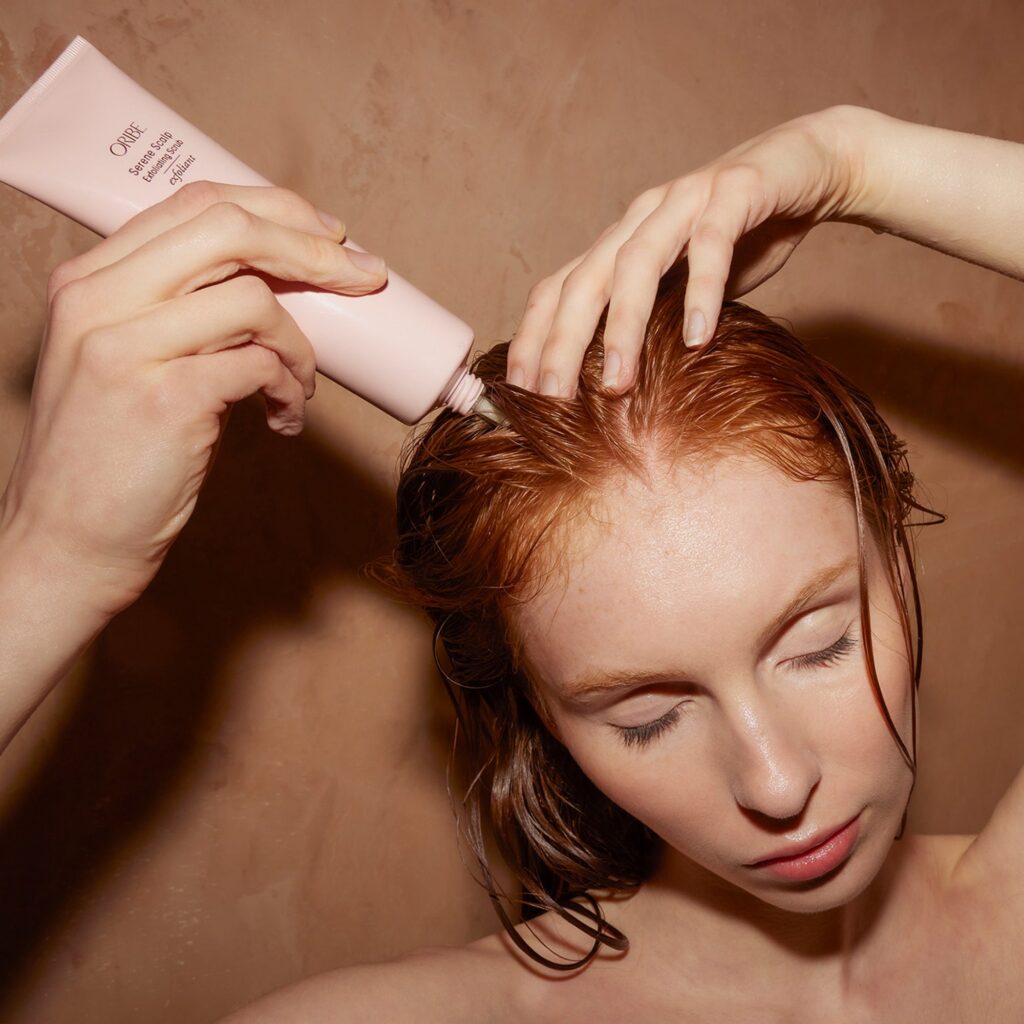
You don't need a complicated routine to keep sweat and scalp buildup from working against you. A few consistent habits go a long way between your visits with us.
Cleanse after heavy sweating. You don't necessarily have to shampoo your hair after every light sweat, but after a heavy workout, hot yoga class, beach day, or long afternoon in the South Florida heat, cleansing the scalp can help prevent sweat, salt, oil, and residue from sitting there for too long.
Choose a gentle, scalp-friendly shampoo. A gentle cleanser can remove sweat and buildup without unnecessarily stripping the scalp. If you're dealing with persistent oiliness, dryness, flakes, or sensitivity, your ideal shampoo may be different from someone else's.
Don't rely on dry shampoo as a substitute for washing. Dry shampoo is a great short-term refresh, but it absorbs oil rather than truly cleansing the scalp. Using it repeatedly without washing can contribute to buildup over time.
Skip the tight, sweaty hairstyles. Tight ponytails or buns can trap heat and moisture against the scalp. Looser styles, braids, or breathable headbands allow for better airflow, especially during workouts.
Let your scalp and hair dry before heat styling. Applying hot tools to damp hair can increase the risk of heat damage. Give your scalp and strands a chance to dry first, whether naturally or with a blow-dryer used appropriately.
Hydrate the scalp, not just the hair. Depending on your scalp type, lightweight scalp serums or hydrating treatments can help support its moisture barrier. The key is choosing products made for the scalp rather than applying heavy oils that may create more buildup.
Exfoliate when your scalp needs it. Periodic scalp exfoliation can help remove excess buildup and dead skin cells, but more isn't always better. The right frequency and type of exfoliation depend on your scalp's condition and sensitivity.
Why Professional Scalp Care Makes a Difference
At-home habits matter, but they can only go so far when stubborn buildup, excess oil, dryness, or irritation are already present. That's where professional scalp care can help.
Every Head Spa service at Hair Culture Day Spa begins with a scalp analysis, allowing our specialists to take a closer look at your scalp and customize the experience based on what they see rather than taking a one-size-fits-all approach.

From there, treatments can focus on concerns such as buildup, hydration, or sensitivity using premium, professional-grade products from trusted brands like Kérastase, Oribe, Goldwell, Amika, K18, and Olaplex. The goal is to give the scalp a thorough professional cleanse and create a healthier environment for your hair, paired with the deep relaxation that makes a Head Spa experience feel like true self-care.
Think of it the way you'd think of a facial: your at-home routine helps maintain your skin day to day, while professional treatments provide a deeper level of care tailored to what your skin needs. Your scalp deserves that same attention.

The Takeaway: Is Sweat Bad for Your Scalp?
Sweat itself isn't bad for your scalp. It's a normal part of how your body regulates temperature. The bigger concern is allowing sweat, oil, product residue, and buildup to remain on the scalp for extended periods.
Cleansing after heavy sweating, choosing products that work with your scalp type, and paying attention to recurring itchiness, flakes, oiliness, or irritation can help keep your scalp feeling healthy and balanced.
And when scalp concerns become difficult to manage on your own, a professional scalp analysis can give you a closer look at what's happening and help guide the right salon and at-home care.
If you're in Pembroke Pines, Weston, Southwest Ranches, or the greater Fort Lauderdale area and want a personalized look at your scalp health, we'd love to see you. Book a Head Spa experience or scalp consultation at Hair Culture Day Spa and let our specialists create a plan tailored to your scalp.
Ready to give your scalp the reset it deserves? Book your Head Spa experience here or call (954) 362-4027.